DC POWER INFRASTRUCTURE
Almost everything that consumes electricity in a modern facility runs on direct current. Servers, LED lighting, variable speed drives, battery systems, EV chargers. Almost everything that generates it on site also produces direct current — solar arrays and batteries both.
Between them sits a chain of conversions: DC to AC at the inverter, AC back to DC at every load. Each step costs energy, adds equipment and introduces a failure point.
DC power infrastructure removes those steps where it makes sense to remove them.
Power delivered where the load is, without the conversion losses.
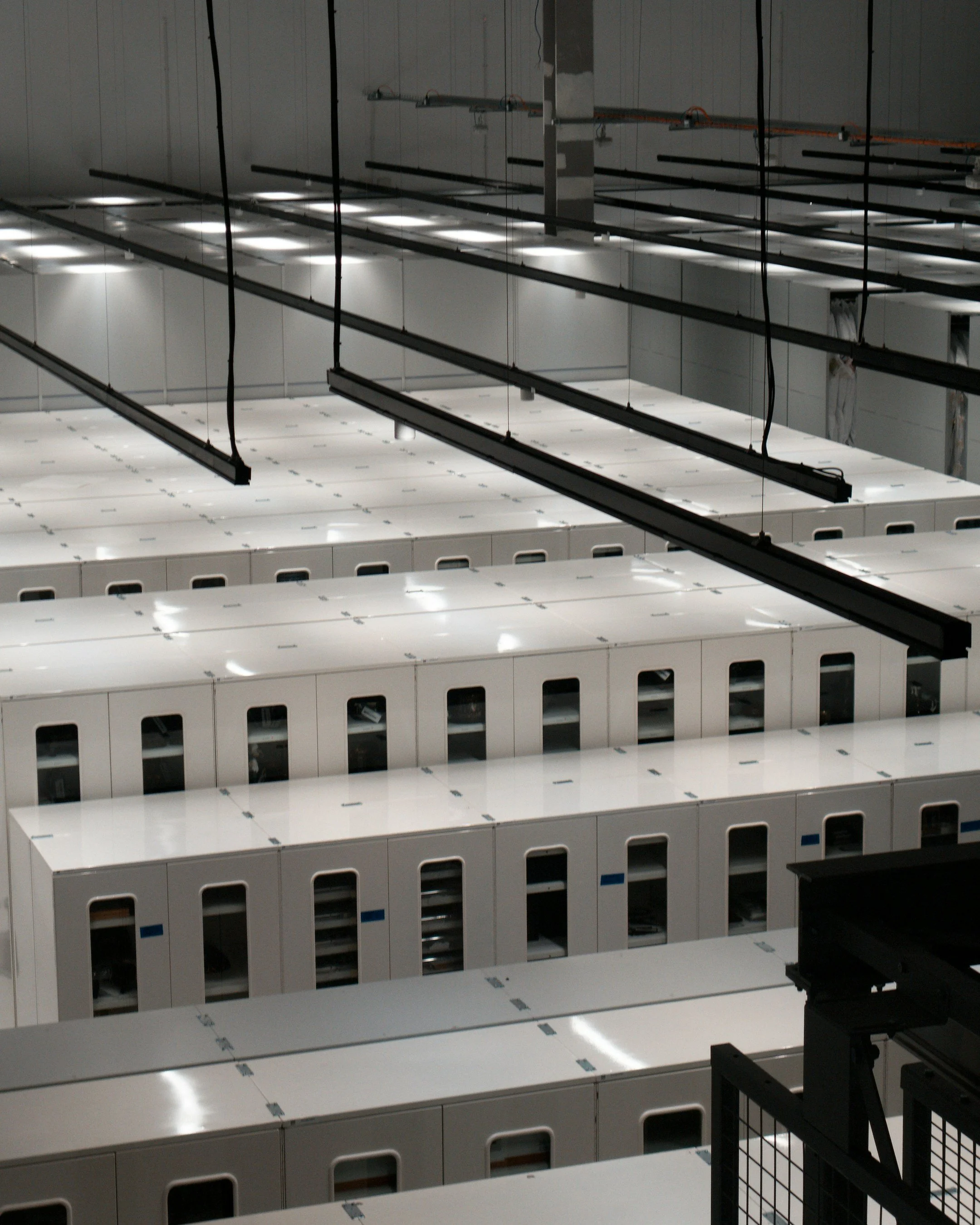
Data Centres
Power distribution is the defining constraint in data centre design. It determines site selection, capital cost, cooling load and operating expense.
DC distribution architecture reduces the conversion chain between the utility connection and the server rack. Fewer stages mean lower losses, less waste heat to remove, and fewer components in the critical power path.
Our scope covers the electrical side: grid connection engineering and capacity securing, medium and high voltage infrastructure, DC distribution architecture, on-site generation integration, battery backup systems and redundancy design.
This is the fastest-moving demand segment in our markets. Data centre construction across the Balkans has accelerated sharply, and the binding constraint is not land or capital — it is securing a grid connection of sufficient capacity in a reasonable timeframe. That is development and engineering work, and it is where we begin.
Industrial DC Systems
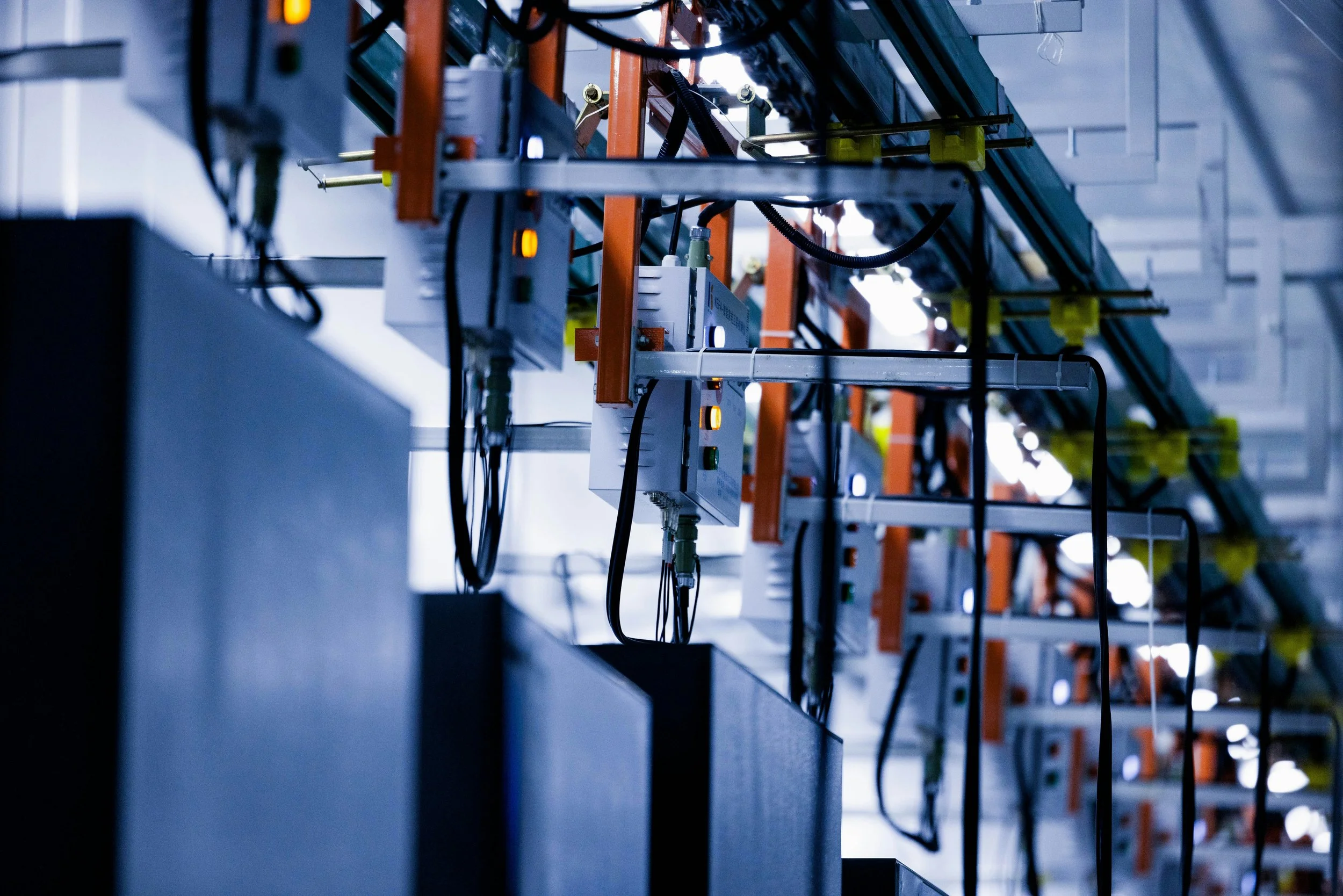
Facilities with substantial DC load — process equipment, drives, electrolysis, materials handling — where an integrated DC architecture reduces conversion losses across the site.
Combined with on-site solar and storage, the result is a system where generation, storage and consumption operate on a common DC bus rather than converting at each interface.
Battery Integration
DC distribution architecture and voltage level selection. Protection and isolation systems for DC networks, which behave differently from AC and require purpose-designed switchgear. Cable sizing and losses. Earthing and arc fault protection. Redundancy and failover design. Monitoring and control integration.
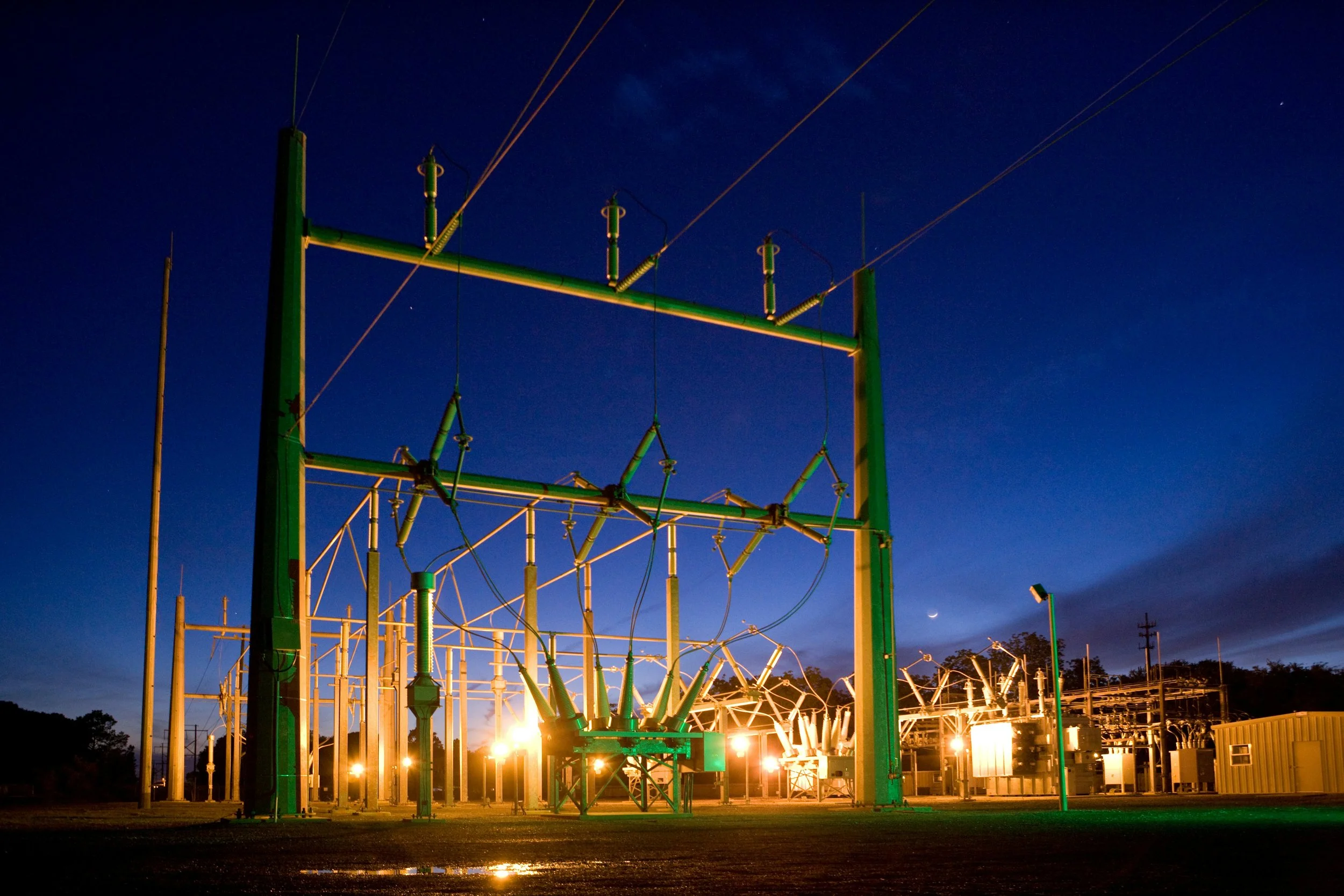
Medium and high voltage infrastructure on the utility side, including transformer stations, switchgear, protection coordination and connection works.
Engineering Scope
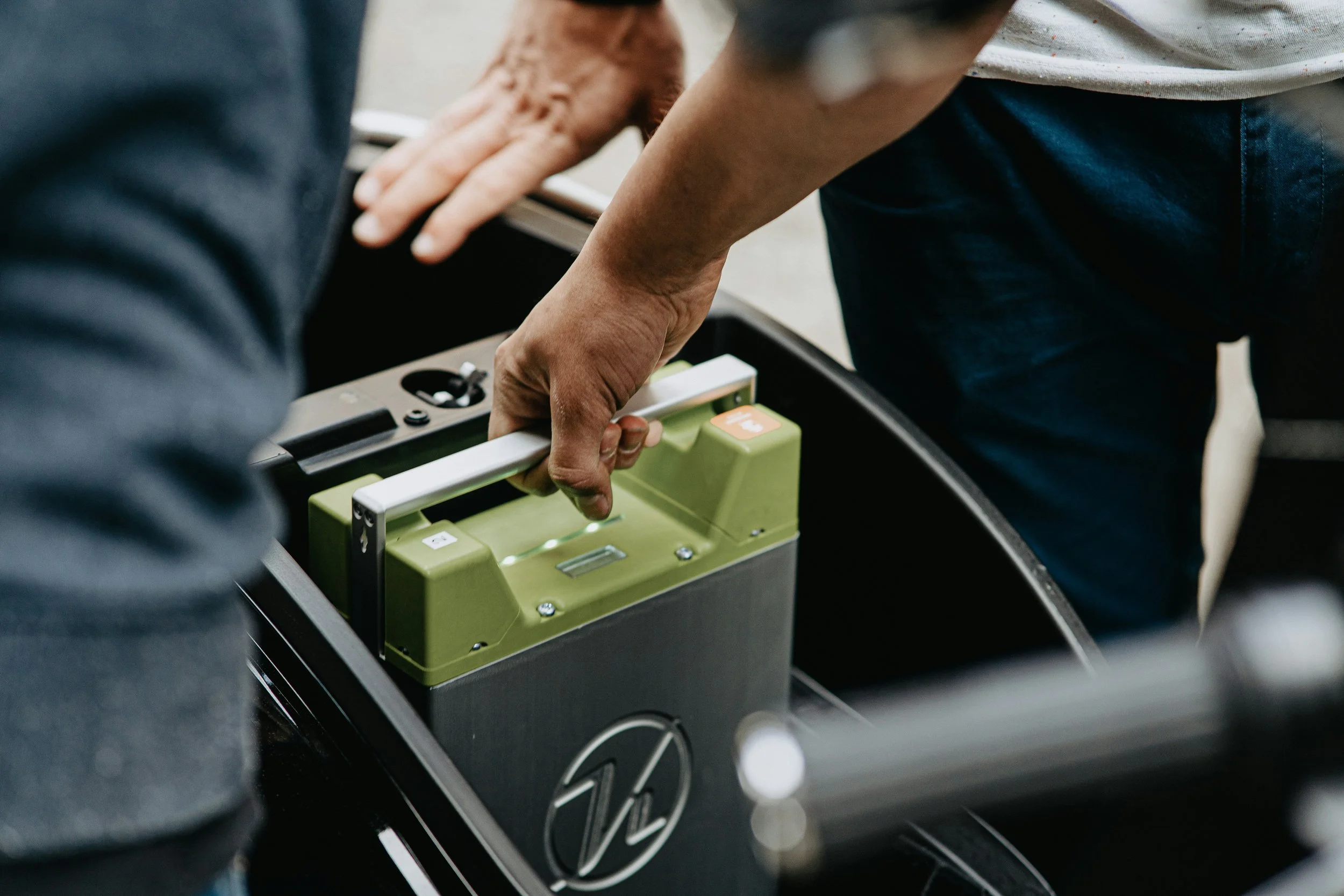
Storage is a DC asset. Where it serves a DC distribution system directly, the conversion stage between battery and load disappears entirely.
We design integrated systems where solar generation, battery storage and DC distribution operate as one architecture rather than as three systems connected through inverters.
Why This Sits at Our Core
Solar produces DC. Batteries store DC. Data centres and EV chargers consume DC.
We treat these as one engineering discipline rather than three product lines, because in practice the design decisions interact. The inverter you avoid installing is the one you never have to maintain, cool or replace.